Hide targets for this goal
11.1 SAFE AND AFFORDABLE HOUSING

By 2030, ensure access for all to adequate, safe and affordable housing and basic services and upgrade slums
11.2 AFFORDABLE AND SUSTAINABLE TRANSPORT SYSTEMS

By 2030, provide access to safe, affordable, accessible and sustainable transport systems for all, improving road safety, notably by expanding public transport, with special attention to the needs of those in vulnerable situations, women, children, persons with disabilities and older persons
11.3 INCLUSIVE AND SUSTAINABLE URBANIZATION

By 2030, enhance inclusive and sustainable urbanization and capacity for participatory, integrated and sustainable human settlement planning and management in all countries
11.4 PROTECT THE WORLD’S CULTURAL AND NATURAL HERITAGE

Strengthen efforts to protect and safeguard the world’s cultural and natural heritage
11.5 REDUCE THE ADVERSE EFFECTS OF NATURAL DISASTERS

By 2030, significantly reduce the number of deaths and the number of people affected and substantially decrease the direct economic losses relative to global gross domestic product caused by disasters, including water-related disasters, with a focus on protecting the poor and people in vulnerable situations
11.6 REDUCE THE ENVIRONMENTAL IMPACT OF CITIES

By 2030, reduce the adverse per capita environmental impact of cities, including by paying special attention to air quality and municipal and other waste management
11.7 PROVIDE ACCESS TO SAFE AND INCLUSIVE GREEN AND PUBLIC SPACES

By 2030, provide universal access to safe, inclusive and accessible, green and public spaces, in particular for women and children, older persons and persons with disabilities
11.a STRONG NATIONAL AND REGIONAL DEVELOPMENT PLANNING

Support positive economic, social and environmental links between urban, per-urban and rural areas by strengthening national and regional development planning
11.b Implement Policies for Inclusion, Resource Efficiency and Disaster Risk Reduction

By 2020, substantially increase the number of cities and human settlements adopting and implementing integrated policies and plans towards inclusion, resource efficiency, mitigation and adaptation to climate change, resilience to disasters, and develop and implement, in line with the Sendai Framework for Disaster Risk Reduction 2015-2030, holistic disaster risk management at all levels
11.c SUPPORT LEAST DEVELOPED COUNTRIES IN SUSTAINABLE AND RESILIENT BUILDING

Support least developed countries, including through financial and technical assistance, in building sustainable and resilient buildings utilizing local materials
Related Publications


Related Events
Upcoming Event
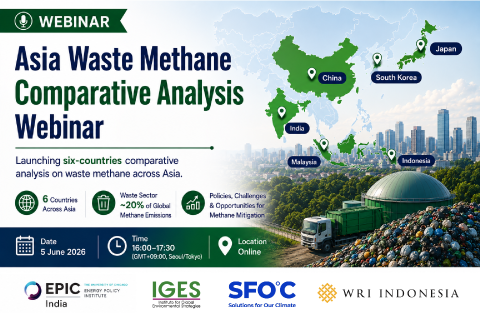
Asia Waste Methane Comparative Analysis Webinar
Background Methane accounts for nearly one-third of global warming, with the waste sector contributing to 20% of the global anthropogenic methane emissions. Across Asia , rapid urbanisation is accelerating waste generation, leading to increased...
Past Event

Online Public Event
Breaking the Plastic Habit in ASEAN: Behaviour-Centred Interventions for Lasting Plastic Reduction
Plastic pollution is a growing challenge in Southeast Asia, where rapid urbanisation and rising consumption are driving sharp increases in plastic waste. While ASEAN countries are introducing policies and awareness campaigns to address the issue...
Past Event
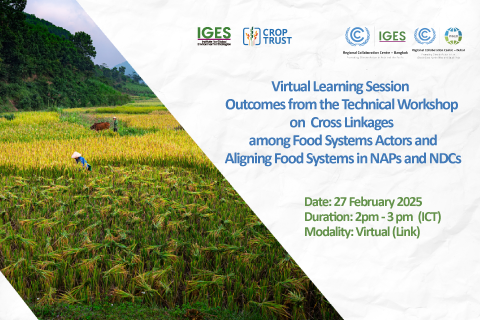
Virtual Learning Session
Outcomes from the Technical Workshop “Aligning Food Systems in NAPs and NDCs”
Background Agrifood systems are central to both the economy and livelihoods in Lao PDR, Pakistan and Viet Nam, providing employment to large rural populations and contributing significantly to food security and economic development. However, these...
Related News
Announcement

Six ASEAN partners selected for ‘Breaking the Plastic Habit in Asia’ project (Phase II)
Tokyo/Jakarta 20 September 2024 IGES and the Regional Knowledge Centre for Marine Plastic Debris of ERIA (the Economic Research Institute for ASEAN and East Asia) have announced the launch of Phase II of the ‘Breaking the Plastic Habit in Asia’...
Press Release

IGES and Hachinohe City Sign Cooperation Agreement to Address Climate Change and Achieve the Sustainable Development Goals
The Institute for Global Environmental Strategies (IGES) and Hachinohe City are delighted to announce the signing of a Basic Agreement of Cooperation. This Agreement represents a commitment to collaboratively address climate change and achieve the...
Press Release

IGES Content Rankings 2022
In 2022, the Institute for Global Environmental Strategies (IGES) produced a wide range of reports, events and web content. As a special feature at the start of 2023, we have compiled the most popular IGES content from the past year for the following...
Related Projects
Project
Updated: April 2025
ASEAN SDGs Frontrunner Cities Programme (SDGs-FC)
ASEAN SDGs Frontrunner Cities The ASEAN SDGs Frontrunner Cities Programme (SDGs-FC) is an initiative under the ASEAN Working Group on Environmentally Sustainable Cities (AWGESC) funded by the Japan-ASEAN Integration Fund (JAIF). It aims to support...
Project

Updated: March 2025
Emission Quantification Tool (EQT): A Pathway to Climate-Friendly Waste Solutions
The Emission Quantification Tool (EQT) was developed by the Institute for Global Environmental Strategies (IGES) as a science-based tool designed to empower policymakers and practitioners to estimate emissions, plan climate-friendly systems, and...
Project
Updated: December 2023
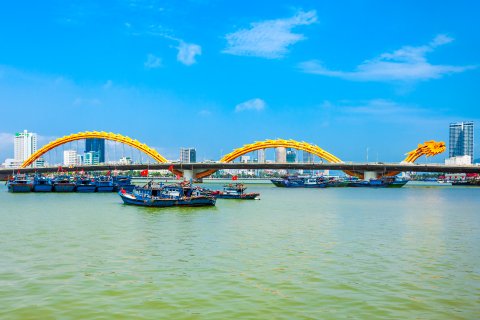
Collaboration between Da Nang and Yokohama City
The Vietnamese Government has established a national plan in 2019, related to marine pollution caused by plastics, and GHG emissions reduction. Da Nang City is one of the fastest growing cities in Vietnam, and through Da Nang - Yokohama city-to-city